The Banarasi Saree: A Timeless Fashion Icon
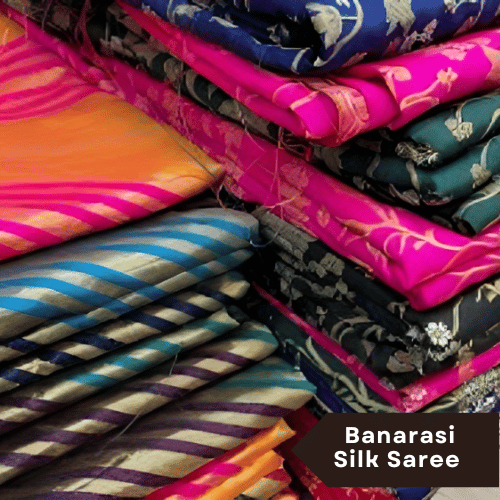
The Banarasi saree, a symbol of grace and elegance, holds a special place in the world of women's fashion. Women adorn themselves with this exquisite attire at various events, appreciating its style and quality. It's not just limited to a specific community; brides from all backgrounds cherish the Banarasi saree on their special day. This traditional attire isn't only making waves in India's fashion scene but is also leaving a mark on the global fashion industry.
A Riot of Colors and Intricate Designs
Banarasi sarees, known for their vibrant hues and intricate patterns, are primarily worn during weddings, festive celebrations, and auspicious occasions. Modern, lightweight versions of these sarees are gaining immense popularity. Despite their glamorous appeal, the weavers, the true artisans behind these creations, face hardships. They receive meager payments, toil for long hours, and endure the challenges of working on handlooms and handling synthetic dyes.
Tracing the Roots: A Long History
The origin of Banarasi sarees can be traced back to the Mughal era when skilled craftsmen migrated to Kashi (Banaras) from Persia. These sarees have a rich tradition, including the famous "kimkhwab," where silk threads are interwoven with fine zari. Banarasi sarees are a staple in almost every Indian bride's trousseau. However, traditional artistry is facing challenges due to the use of non-traditional materials like plastic.
Banarasi Sarees: A Symbol of Luxury
The allure of Banarasi sarees lies in their ability to elevate your fashion quotient to a whole new level. While these sarees come in various price ranges, the top-end Banarasi sarees sold by professional dealers in Varanasi stand out for their exquisite craftsmanship.